SkinMatch
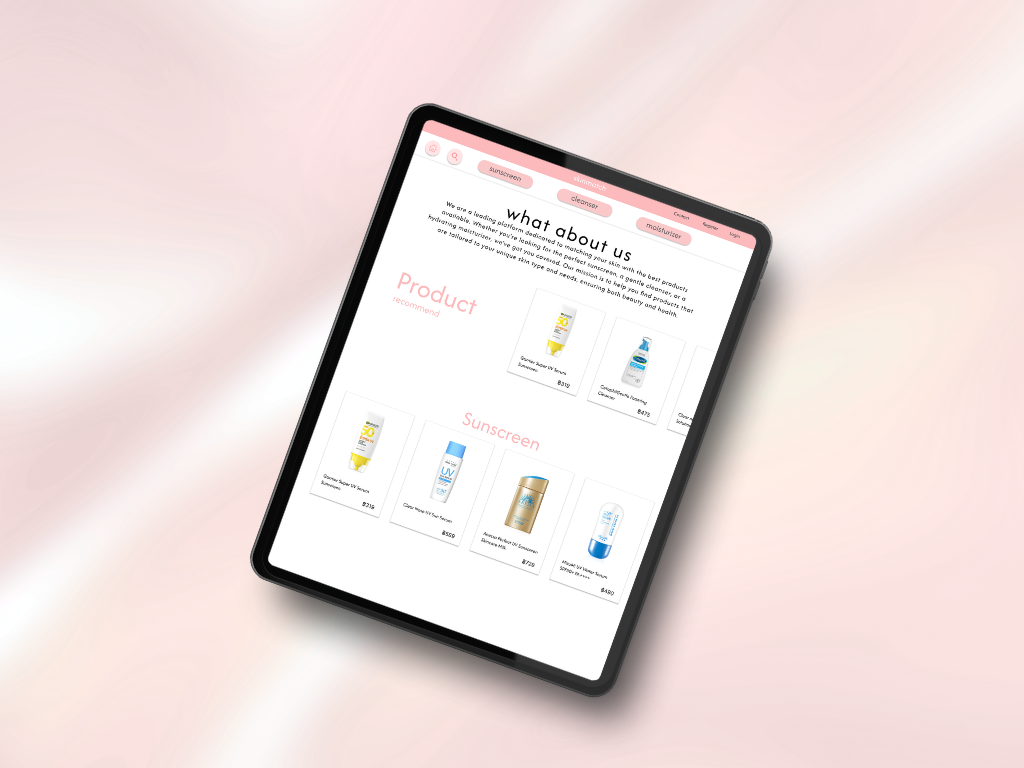
An intelligent skincare platform designed to simplify complex ingredient compatibility, transforming dense ingredient data into clear, actionable insights.
- Role
- Business Analyst & UX/UI
- Timeline
- 3 Months
- Category
- Web App / E-Commerce
- Tools
- React, Node.js, MongoDB
Research
Market Insight & Discovery
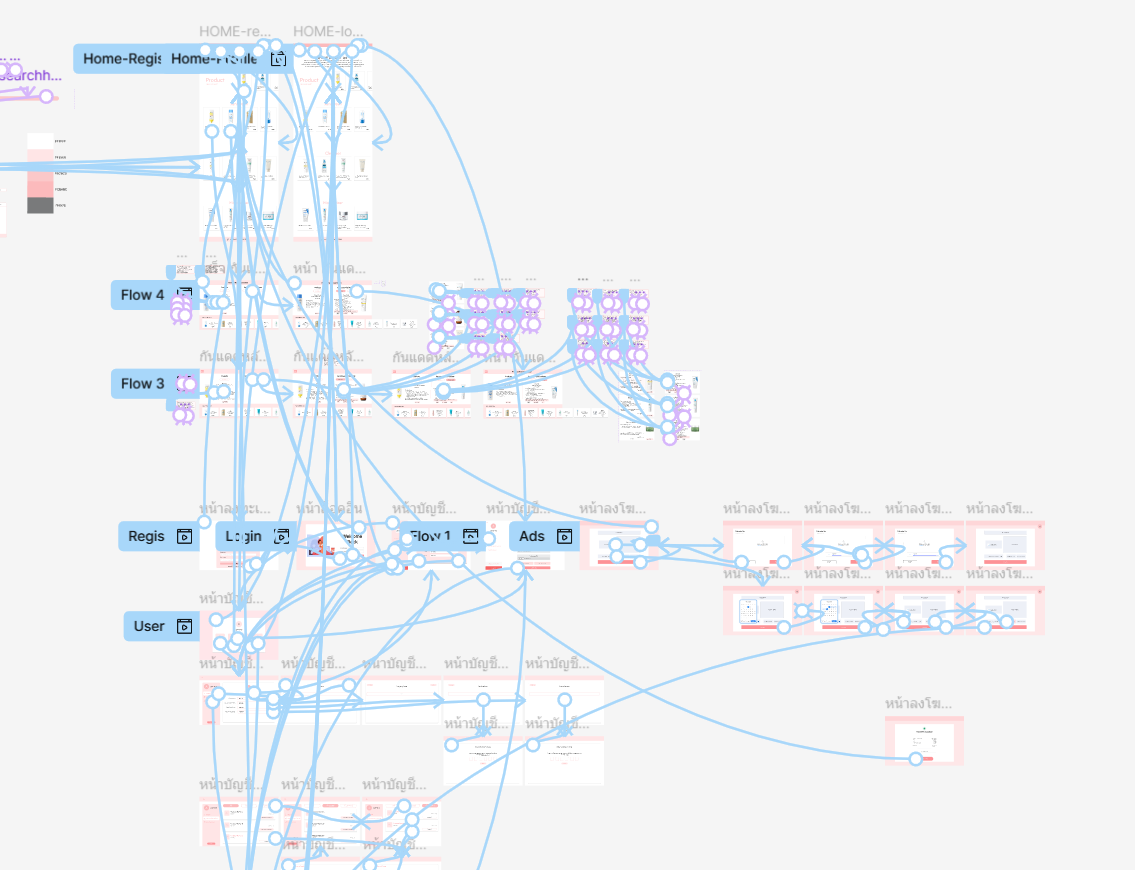
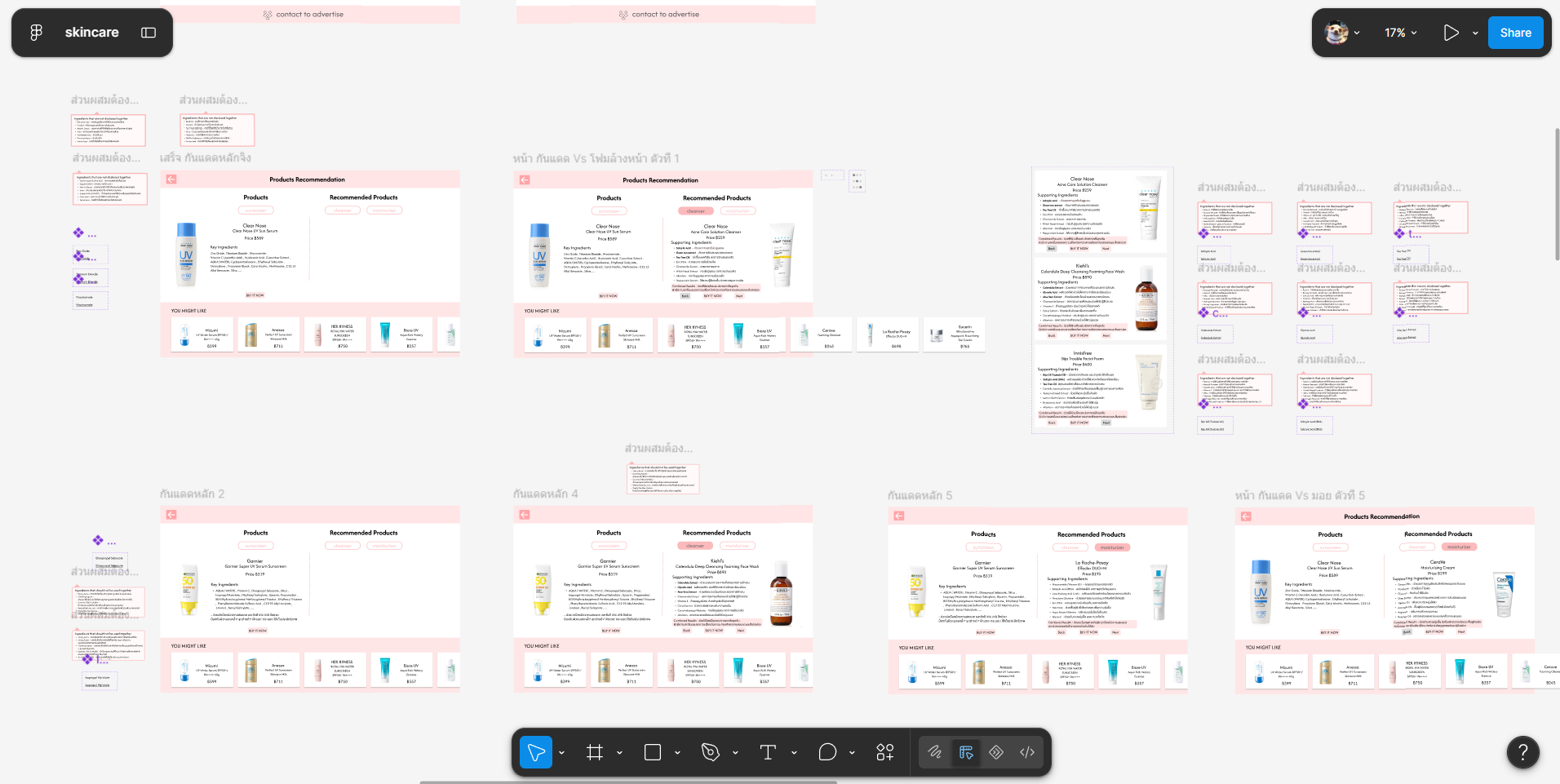
The primary objective of this project was to design a structured and highly legible data model for complex skincare products. I dedicated the majority of my time to Requirement Elicitation as a Business Analyst, while simultaneously functioning as the UX/UI Designer to establish a clear visual hierarchy. This culminated in a high-fidelity Figma prototype tailored for real-world e-commerce usability.
Context
Strategic Prioritization
Chemical Conflict Blindspots
Modern consumers stack multiple skincare products without realizing certain active ingredients counteract or trigger hazardous skin inflammation.
Illegible Scientific Labels
Ingredient lists on product packaging are heavily gated by dense chemical nomenclature, making manual safety verification impossible for average users.
Unoptimized Monetization
Skincare brands lacked a localized, contextual platform to advertise products directly to consumers at the exact moment of high purchasing intent.
Reflection
Trade-offs & Delivery
UI Simplification Loop
The initial high-fidelity prototype carried intricate multi-layered state interactions that challenged the front-end timeline. Resolution: collaborated directly with developers to simplify interface parameters, converting complex overlapping sheets into clean, performant layouts.
Requirement De-scoping
Early functional specifications broadsided the project core value with excessive marketplace features. Resolution: steered the business roadmap backward to sharpen focus exclusively on the 'Ingredient Compatibility Resolution Engine'.
Git Conflict Resolution
Version control sync overlaps threatened production timeline consistency during parallel feature deployments. Resolution: established strict module branch boundaries and centralized pull request reviews to safeguard system integrity.